Zeolites Reduce Milk Fever in Cows

Milk fever, also known as parturient paresis, is metabolic disease that often occurred in cows, especially dairy cows that have just given birth. Milk fever is caused by a hypocalcemia condition where the level of Ca in the blood is low. This disease is characterized by a decrease in the level of calcium in the blood, which normally is 9-12 mg / dl to less than 5 mg / dl. As many as 90% of events are found within 48 hours after birth. The number of disease events will increase with age of dairy cows. Milk Fever is usually found in dairy cows that have bred more than 3 times.

Predisposing factors that cause this disorder include age, milk production and persistence. Provision of high levels of Calcium and a high ratio of Calcium and Phosphorus in the ration to dairy cows in the dry period can stimulate the release of calcitonin from parafollicular cells in the thyroid gland, thus inhibiting the absorption (resorption) of Calcium into the bone by parathormone.

Hypercalcemia (high levels of Calcium in the blood) inhibits the secretion of parathormone and stimulates the secretion (expenditure) of calcitonin. Calcitonin is a substance that can reduce the concentration of calcium in the blood by inhibiting bone resorption. This effect tends to inhibit the normal adaptation of the cow to Calcium deficiency at the onset of parturition and lactation which causes paralysis. Paralysis (paralysis) is usually associated with calcium levels in the blood below 5 mg / 100 ml serum. Predisposing factors that play a role in the occurrence of Milk Fever include:

      1.  Milk production: Usually increased milk production will increase Ca metabolism and            increase Ca to the colostrum. If the income is out of balance, it is likely that Milk Fever        will occur.

      2.    Age of cows: Ca absorption in older cows has decreased.

      3.  Willpower to eat: At the time of giving birth, 8-16 hours or more, most cows have                 decreased appetite. Decreased appetite will cause a decrease in the availability of                calcium that is ready to be absorbed.

      4.    Feed ration: Cow feed consisting of forage and balanced concentrate is Ca: P = 1: 1.
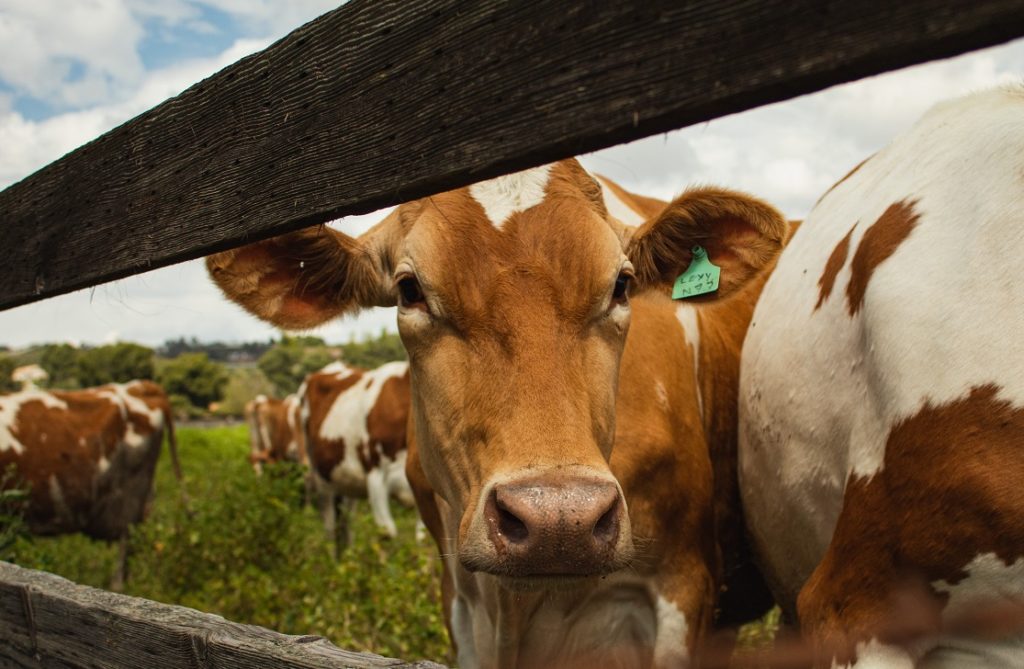
Symptoms of the disease at a still low level, cows can still stand, but appetite is lost, less sensitive to the environment, cold feet and ears, low body temperature of approximately 35˚C, hind limbs are weak and difficult to decrease or stop causing gas accumulation inside rumen. If it gets worse the cow can only survive for 6 to 24 hours. Actually the cure rate is quite good and the mortality rate is less than 2-3% if immediately known and given help.

Following a solicitation from the European Commission, the Board on Added substances and Items or Substances utilized in Creature Feed (FEEDAP) was approached to give a feeling on the security of Zeolite (sodium aluminosilicate, engineered) when used to lessen the danger of milk fever in dairy bovines.

As it would like to think about Zeolite, the FEEDAP Board expressed that Zeolite can possibly diminish the danger of milk fever. Ongoing information affirms this end, especially for more established dairy animals with at least three calvings.

Zeolite step by step forestalls the diminishing in serum calcium happening in the wake of calving. Albeit just 500 g for every day Zeolite was appeared to essentially diminish milk fever occurrence, a portion scope of 250 to 500 g for every day (around 25 to 50 g/kg complete feed) might be practical under field conditions.

The utilization of dosages higher than 500 g of Zeolite prompts a sensational melancholy of feed admission. Indeed, even the successful portion decreases feed admission and actuates hypophosphatemia; notwithstanding, these impacts are viewed as transient.

Zeolite may lessen serum Mg however this is without physiological importance. Serum levels of copper and zinc just as milk yield and structure are not influenced by Zeolite treatment.

The FEEDAP Board infers that· the watched reactions following a fourteen-day treatment with Zeolite don’t have enduring results on the soundness of dry cows, that aluminum from Zeolite doesn’t prompt any wellbeing worry for the dairy bovine given that the fitting utilizes level and length are followed, and that Zeolite treatment of the dry cow doesn’t bring about an unfavorable impact in calves. Milk aluminum focus was not influenced by the utilization of Zeolite, however serum aluminum fundamentally expanded. The FEEDAP Board presumes that, considering the scope of aluminum found in business milk tests, the treatment of dry cows with Zeolite won’t quantifiably increment customer presentation to aluminum.  the utilization of Zeolite to lessen the danger of milk fever doesn’t represent a hazard for the earth.

The FEEDAP Board in the long run gives a few suggestions for the new passage on the utilization of Zeolite to decrease the danger of milk fever and on how this could be thus presented in the current enactment on feedingstuffs for specific dietary purposes.

How to Mix Zeolites with Feed?

Zeolites are minerals that contain hydrated aluminosilicate with alkali and alkaline-earth. Zeolites have so many benefits in many sectors, especially agriculture in general. There are many studies have found benefit of zeolite in agriculture. They are good for feed additive, soil conditioner, and even for maintaining good quality of water. In this article, we will discuss about how to mix zeolites for feed additive.

Anyway, we have already discussed about the benefit of zeolites as feed additive. If you want to know more about benefit of zeolite, please check our article Benefit of Zeolite as Feed additive and More Quality Feed with Zeolite. There are lot of things that zeolites can do for animals.

Let’s talk about animal husbandry. What kind of animal included in animal husbandry? Well, there are lot of animal, which can be consumed by human, not only for the meat, also for any resources that is needed for the industries. In example, animal husbandry include cow, sheep, pig, chicken, horse, goat, etc. To produce a thing, animals need feed. Feed that given by farmers must be qualified feed to get qualified product from animals. But, using qualified feed is not cost-friendly. If you have read our article about zeolite’s benefit, you have already known that zeolite able to make feed more efficient. With addition of zeolites, feed uses will decrease, and it will decrease the cost for animal feed.


The use of zeolite as feed is mainly related to animal nutrition. Zeolite’s properties able for retention of nitrogen and improving efficiency in protein digestion. Studies also shown zeolite relation with preservation of the environment due to capacity to retain pollutants of animal production, especially ammonia.

How to mix zeolites with animal feed?

Many farmers accepted general composition of zeolite and feed. They are using 2 – 4 % of zeolite in feed. From those composition, we can make any mixed feed. For example, if we want to create 1000 kg of mixed feed, we can mix 960 kg of feed and 40 kg of zeolites. That will generate zeolite composition of 4 % zeolite in mixed feed. That composition can be applied to different animals in animal husbandry. But it is steel needed more studies about best composition for each animal.

According to research, giving 1.5 % of zeolite will increase the egg production of chicken. In another research, using zeolites on laying hen manure in low ( 2,5 % ), medium ( 5 % ), and high ( 10 % ) doses, reduced NH3 emissions by 36 %, 62 %, and 92 % after seven days of storage. Zeolite also usually used in pig diets at concentrations from 0.5 % to 8 %. For cow, the zeolite composition for feed additive is 2 %. The study confirm that zeolite supplementation in dairy cows at moderate level was associated with the increase in dry matter intake, milk yield, 4% fat corrected milk, and components in milk.

The conclusion is zeolite have unique properties and fairly used in agriculture included animal husbandry. Zeolites have potential for pollution and waste control of the animal to reduce production of greenhouse gases. For feed additive, using zeolites mean improving the weight of animal, the production of eggs, and many more. But, specified portion of zeolite is needed to studied first before applying zeolite in feed. Therefore, this article is made to give example from studies that have done before about zeolite.

The present study confirms that zeolite supplementation in dairy cows at moderate level was associated with an increase in DMI, milk yield, 4% FCM, and components in milk. This increase was brought about by enhancing ruminal pH and acetate/ propionate ratio and by reducing ruminal ammonia level. We postulated that zeolite administration would alleviate the effects of a grain challenge and might affect the rumen or intestinal environment or modulate the acid-base metabolism. But at the high level, detrimental effects on milk production, milk quality, and ruminal environment are expected.


Zeolite Benefit for Poultry

Zeolite for Poultry

Zeolite has numerous gainful uses from business and mechanical points of view yet additionally is useful in farming with regards to animals, for example, poultry and steers. The particle trading properties of Zeolite advance extraordinary assimilation/adsorption properties in which numerous creatures can profit by. This makes it an incredible expansion through its flexible uses and applications.

Dampness can be a major issue in a chicken coop either adding to higher measures of ice in the winter or shape in mid-year. As a scent neutralizer and dampness safeguard, Zeolite is a powerful litter added substance choice for chicken coops and drop sheets. Zeolite absorbs scent causing fluids into the honeycomb structure simply like preparing pop, and furthermore draws in and holds scents, permitting scents to kill. Irksome irritations, for example, flies are pulled in by the sodden, warm, and rank states of a coop or horse shelter and including Zeolite may help to dispose of these bothersome annoyances. Zeolite may likewise bolster the decrease of dampness exposed winter months, where dampness expands the danger of frostbite, particularly in helpless regions, for example, your chickens’ brushes. 

Zeolite is exceptionally flexible with regard to use and applications. It very well may be utilized in blend with every single litter sort, including sand, straw, and shavings. To utilize Zeolite in a chicken coop start with a perfect, void coop, sprinkle a layer of normal Zeolite on the floor followed by your litter of decision. Sprinkle extra Zeolite on the litter varying to monitor your coop new and dampness.

Lately, there have been a few investigations led where Zeolite has been utilized as a feed added substance for animals chickens and dairy steers populaces. Since Zeolite successfully battles smelling salts, look into demonstrates that adding this regular mineral to feeds might be a viable strategy for scent control for your domesticated animals, including huge dairies. Additionally, there is a look into demonstrating that chickens, may likewise receive the rewards of Zeolite through processing by going about as a characteristic coarseness by adding Zeolite to chicken feed.

As a litter or a feed added substance, Zeolite gives numerous advantages to you and your domesticated animals.

More Quality Animal Feed with Zeolite

The feed is an important aspect of animal husbandry. Animal productivity is determined by what the animals eat. The more quality the feed is given, the better the productivity. The problems in the livestock industry today in addition to reducing production costs as much as possible with adequate productivity are also faced with changes in consumers who have begun to pay attention to meat quality. They want low-fat meat, a non-fishy odor, reddish flesh, low drug residues, and low pathogenic microbial contamination. In addition, the livestock industry is faced with environmental pollution problems due to its activities.

Zeolite minerals have unique characteristics, which can release and bind water reversibly and can exchange cations that make it up without changing its main structure. The nature of the exchange is always offset by monovalent and
divalent metal cations such as Na, K, Ca, Mg, or Ba. Zeolites are commonly used as feed additives in animal feeds such as cattle, horses, chickens, and pigs.

Research in various countries shows that giving zeolites provides good weight gain. This may be caused by ion exchange control of the concentration of ammonium ions in the digestive tract. However, some studies show an indication of higher protein concentrations. The effect of mixing zeolite with animal feed is as follows.

Increasing feed efficiency

In dairy cows, giving ZEOLIT 2.3% increases feed efficiency by 49%. This is due to zeolite has a high absorption power. Zeolites slow the rate of feed in the digestive tract so that more absorption of food substances by livestock.

Pressing the growth of aflatoxin

Zeolite flour can also reduce the effect of aflatoxin on feed given to adult ducks. The results of other studies also showed that the administration of zeolites to ducks stored for 6 weeks actually only slightly increased the level of aflatoxin, while the nutritional level did not decrease.

Reducing Ammonia Production

Ammonia is a gas produced by livestock as a result of the breakdown of uric acid or urea by microbes. This gas is one of the gases that cause environmental pollution by livestock. In addition, there are still many other gases that can cause odor. Giving Zeolite was able to reduce ammonia gas production. In addition, manure produced by livestock becomes drier and odorless. Therefore, giving zeolite as a supplementary feed can reduce pollution due to livestock activities.

Increase endurance
The existence of surface areas that have large pores can affect parasites in the body, remove toxins or change the enzyme response and. Research results in Japan also show that the administration of zeolites can prevent diarrhea and bloat. Zeolites can also reduce the concentration of ammonia gas in the blood. drop in gas in the blood can reduce the incidence of poisoning by ammonia gas.


Zeolite As Animal Feed Additive

Zeolite is used widely by livestock farmers as an animal feed additive for dairy beef, Beef Cattle, Sheep, Poultry (Egg Production and Broilers ), Because this mineral is the World’s only naturally occurring, negatively charged, have a great benefits in the feed process can result from the basic chemistry of the natural zeolite as an animal feed additive.

Natural Zeolite is organic certified, Non toxic and stable mineral. This, combined with their other unique characteristics, allows them to be used as feed additives with multiple, complementary benefits. Zeolite animal feed additive also absorb odors from spoiled grain or feed grain and will substantially reduce odors in enclosed animal facilities.

The
introduction of zeolite as an animal feed additive provides the following
rewards:

  • improved animal growth and Weight gain
    by increased food conversion rate efficiencies (less feed required per pound of
    Weight gain)

    • Strong affinity for ammonium provides
      superior odour control and a healthy environment. Also protects the penetration
      of ammonia into the bloodstream
    • Zeolite is a rumen buffer for the total
      digestive tract of high performancedairy cattle. Higher CEC means more
      buffering (see below for an actual case)
    • Reduction of Scours, acidosis, diarrhea,
      enteritis and other gastrointestinal diseases
    • Strong affinity for ammonium that aids
      in digestion and nutrient absorption and improves the value of milk, gradable
      eggs and the meat index
    • improved dispersion of feed ration
      ingredients by reducing agglomeration
    • increased NPN for ruminants and improves
      rumen microbial activity (see next section)
    • Better phosphate utilization
    • Enhances effect of carbamide in cattle
      feed. Absorbs NH4+ released by carbamide hydrolysis
    • Reduces acidosis (grain poisoning)
    • Anticaking / flow agent for feed and
      increased feed pellet durability
    • Improved bone growth
    • Reduced mortality
    • Has no caloric value and is not a
      therapeutic
    • Approved for use in animal feed
      additives (CFR 582-2727)
    • Myco-Toxin binder. Zeolite has EU
      approval for use in the swine and poultry industry. Though not currently
      approved in North America for mycotoxin binding, zeolite is the standard for a
      mycotoxin binder in many countries and also Europe by absorbing a broad
      Spectrum of toxins. It also helps control aflatoxins in animal feed which
      lowers mortality rates from digestive stress and reduces the need for
      antibiotics and medicines. In Europe antibiotics are not used when using
      zeolite in feed

After years of successful field testing many feed suppliers and end-users
have included zeolite in animal feed additives (around 2% to 5%) in their feed supply
program. There is an overall improvement in growth and health of these animals
as a result

Increased
NPN for
Ruminants

Zeolite suppliment as non protein
nitrogens in ruminant animal feed

Many animals such as hogs and poultry
need preformed protein from plants and animals. Ruminant animals such as dairy
cows, beef cattle, sheep, goats, etc have microorganisms in their first stomach
(rumen) that make protein from simple nitrogen compounds. They convert the
non-protein nitrogen (NPN) to ammonia and then convert the ammonia to amino
acids, which are then converted to proteins.

This creates the following toxic
symptoms:

  • Bloat – from excess ammonia
    • Labored Breathing – Occurs when the animal tries to
      correct the acid-base imbalance by adjusting blood carbon dioxide levels
    • Lack of Coordination when the electrolyte imbalance
      affects the brain.

When zeolite is included in animal feed additives it adsorbs much of the ammonia generated from the NPN. It acts as a reservoir and slow release mechanism for the nitrogen. This can allow the feeding of up to 4 to 6 times more NPN. During rumination, a portion of the contents of the first stomach is returned to the mouth for additional chewing and saliva additions. Saliva introduced during mastication contains sodium which replaces the ammonium. This results in the slow release of the un-reacted ammonia which is then converted to protein amino acids by the microorganisms. Zeolite also provides a reduction of dicalcium phosphate by up to 50% therefore providing a health benefit and pollution prevention. Presently, the most common approach to cutting dicalcium phoshate is to feed phytase

For further information please contact by email: nusagri.adm@gmail.com

× How can I help you?